Sofa Cleaning in Your Home: Freshness, Comfort, and Long-Lasting Fabric Care
Sofa cleaning is one of the most effective ways to keep your living space healthy, attractive, and comfortable. Whether your sofa is made of fabric, leather, velvet, microfiber, or a blended material, regular sofa cleaning helps remove dust, allergens, stains, odors, and everyday buildup that can make upholstery look tired. Many households underestimate how quickly a sofa can collect debris, especially in busy homes with children, pets, and frequent guests. With the right sofa cleaning methods, you can restore appearance, protect the material, and extend the life of your furniture.
People often search for sofa cleaning when they notice visible marks, unpleasant smells, or fabric that no longer feels fresh. However, sofa cleaning should not be viewed as a last-minute fix. It is a practical maintenance routine that supports hygiene and preserves the value of your furniture. From simple weekly care to deeper cleaning solutions, the right approach can make a major difference. In this article, you will learn about proven cleaning techniques, useful maintenance habits, stain removal tips, and the benefits of professional upholstery care.
Understanding sofa cleaning also helps you avoid damage caused by incorrect products or harsh scrubbing. Different materials respond differently to moisture, heat, and detergents, which is why choosing the right method matters. When done correctly, sofa cleaning improves indoor air quality, keeps allergens under control, and helps your sofa remain a comfortable centerpiece in your home for years.
Why Sofa Cleaning Matters for Every Home

A sofa is often one of the most used pieces of furniture in any home. Family members sit on it daily, pets may lounge on it, and visitors often gather around it. Because of this frequent use, sofa cleaning becomes essential for maintaining a clean and inviting environment. Over time, dust, skin cells, crumbs, oils, and airborne particles settle into the upholstery, making the sofa a hidden collector of dirt.
Routine sofa cleaning is important not only for appearance but also for wellness. Upholstery can trap allergens such as pollen and dust mites, which may contribute to discomfort for sensitive individuals. A well-cleaned sofa can support a healthier indoor atmosphere and reduce the buildup of irritants. This is especially valuable in homes with children, elderly family members, or anyone prone to allergies.
Another key reason to prioritize sofa cleaning is cost savings. Replacing a sofa is far more expensive than maintaining it properly. Regular care can delay wear, prevent permanent staining, and preserve the original texture and color of the upholstery. When you invest time in cleaning, you help the furniture last longer and continue looking its best.
Many people also notice that sofa cleaning has a positive effect on the entire room. A fresh sofa can make a living area feel brighter, more organized, and more comfortable. It is a small maintenance habit that creates a large visual and hygienic impact.
Understanding Different Sofa Materials

Before starting sofa cleaning, it is important to identify the material. The cleaning method that works well for one upholstery type may damage another. Fabric, leather, microfiber, suede, and velvet all require different handling. Reading the manufacturer’s label is one of the smartest first steps in sofa cleaning because it provides cleaning codes and care instructions.
Fabric sofas are common in many households because they are comfortable and available in many styles. However, fabric tends to absorb spills and odors more quickly than some other materials. Sofa cleaning for fabric usually involves vacuuming, spot treatment, and occasional deep cleaning with a fabric-safe solution. Using too much water can lead to slow drying and possible mildew, so moisture control is important.
Leather sofas need a gentler approach. Leather sofa cleaning typically includes dust removal, wiping with a damp microfiber cloth, and applying a conditioner to prevent drying and cracking. Harsh chemicals should be avoided because they can strip the natural oils from the material. The goal is to clean while preserving suppleness and shine.
Microfiber is known for its stain resistance, but it still benefits from consistent sofa cleaning. Because the fibers are tightly woven, dirt can settle on the surface and between strands. A soft brush, vacuum attachment, and suitable cleaning solution can help maintain the look and feel of microfiber without flattening the texture.
Velvet and suede are more delicate, making careful sofa cleaning especially important. These materials can easily show marks if rubbed too hard or exposed to excess moisture. For such upholstery, light cleaning, careful brushing, and professional support may be the safest options.
Signs Your Sofa Needs Cleaning

Some signs of buildup are obvious, while others are easy to miss. If your sofa looks dull, feels sticky, or carries a faint odor, it may be time for sofa cleaning. Visible staining is not the only indicator; even a sofa that appears clean can hold a significant amount of dirt inside the fibers.
One of the most common signs is a noticeable smell. Food, pets, sweat, and humidity can all contribute to odors that settle into upholstery. Sofa cleaning removes these trapped smells rather than simply covering them up. Another common clue is discoloration on high-contact areas such as armrests, seat cushions, and headrests.
Dust buildup is another signal. If you notice particles when you sit down or see dust rising when cushions are moved, the sofa likely needs attention. People with allergies may also experience increased sneezing or irritation when sitting on a sofa that needs cleaning. In that case, upholstery care becomes more than a cosmetic concern.
You may also notice that fabric looks flattened or tired. This can happen as dirt and oils accumulate over time. Regular sofa cleaning helps restore a fresher appearance and can make the upholstery feel more comfortable again. When in doubt, a quick inspection of seams, corners, and cushion creases can reveal where dirt tends to gather most.
Common warning signs include:
- Visible stains or dark patches
- Persistent odors
- Dust and crumbs in crevices
- Flattened or dull fabric
- Allergy symptoms near the sofa
Effective Sofa Cleaning Methods You Can Use

There are several approaches to sofa cleaning, and the right one depends on the material, the level of dirt, and the type of stain. A simple routine can keep your sofa in good condition, while deeper methods can address more stubborn buildup. The best results usually come from combining regular maintenance with periodic intensive cleaning.
Vacuuming is one of the easiest and most important sofa cleaning methods. A vacuum with an upholstery attachment can remove dust, crumbs, pet hair, and other loose debris from the surface and crevices. It is best to vacuum slowly and thoroughly, reaching under cushions and along seams where dirt tends to collect. Weekly vacuuming is a smart habit for most homes.
Spot cleaning is useful when spills happen. Blotting the stain with a clean cloth as soon as possible can stop it from setting in. For many fabrics, a mild upholstery cleaner or a solution of water and gentle soap may be enough. The key is to test any product on a hidden area first and avoid oversaturating the fabric. Rubbing aggressively can spread the stain or damage the fibers.
Steam cleaning is another popular option for some upholstery types. It can help lift grime, loosen embedded dirt, and refresh the sofa more deeply. However, not every material can handle steam, and excessive heat may cause shrinkage or color changes. Always confirm that steam cleaning is suitable for your sofa before using it.
Dry cleaning methods may be better for delicate fabrics. These techniques use minimal moisture, which can be a safer choice for materials that are sensitive to water. Professional sofa cleaning services often rely on specialized low-moisture or dry-extraction methods to achieve deep cleaning while protecting the upholstery.
For routine care, the most effective approach often includes:
- Vacuum the sofa regularly.
- Blot spills immediately.
- Use fabric-safe spot treatment.
- Allow cushions and surfaces to dry fully.
- Rotate cushions to encourage even wear.
Stain Removal Tips for Better Sofa Cleaning Results
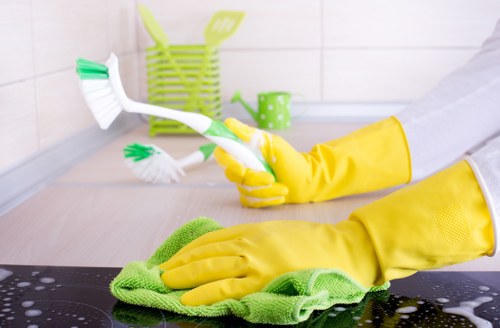
Spills happen in every home, and quick action can make all the difference. The longer a stain sits, the harder it becomes to remove. That is why stain removal is such an important part of sofa cleaning. Different stains require different treatments, but the same basic rule applies: act fast, stay gentle, and avoid unnecessary moisture.
For liquid spills such as juice, coffee, or soft drinks, blot the area with a clean absorbent cloth. Do not rub, because rubbing can push the liquid deeper into the fabric. After blotting, use a mild cleaner or upholstery-safe solution according to the fabric type. Repeat the process carefully until the stain begins to lift. Patience is often more effective than force when it comes to sofa cleaning.
Grease stains can be more challenging. These may require an absorbent powder or a cleaner formulated to break down oil. Again, testing on a hidden spot is essential. Food stains often respond well to a combination of blotting, gentle cleaning, and drying with airflow. Pet stains may need extra deodorizing support to fully remove lingering odors.
Ink, makeup, and dye stains can be especially difficult. In these cases, using the wrong cleaner can make the stain worse. If you are unsure, professional sofa cleaning may be the safest path. Experts can identify the correct products and techniques for challenging marks without causing fabric damage.
Helpful stain-removal reminders
- Blot instead of rubbing
- Use clean cloths and fresh water
- Test cleaners in hidden areas
- Avoid excessive moisture
- Dry the area completely after cleaning
Important: If a stain has already set deeply into the upholstery, repeated harsh scrubbing can weaken fibers and spread discoloration. In such cases, professional sofa cleaning is often the more effective long-term solution.
How Often Should You Clean a Sofa?
The ideal sofa cleaning schedule depends on how much the sofa is used and who lives in the home. For most households, weekly vacuuming and monthly spot checks are a good starting point. More frequent sofa cleaning may be needed in homes with pets, young children, or high foot traffic. A sofa in a quiet room may stay cleaner for longer, but it still benefits from regular care.
A light maintenance routine can keep dirt from building up. This includes vacuuming the cushions, wiping non-fabric parts, and removing crumbs or pet hair. Deep sofa cleaning can be done every six to twelve months, depending on use and material. Homes with allergy concerns may need more frequent deep cleaning to reduce dust and allergens.
Seasonal changes can also affect upholstery. During rainy months, moisture and mud may increase the need for cleaning. In warmer weather, sweat and body oils can build up faster. Keeping an eye on the condition of the sofa throughout the year helps you decide when sofa cleaning is due.
If your household hosts guests often or uses the sofa daily for lounging, reading, or napping, you may find that a more proactive schedule works best. Consistency is the real secret to keeping upholstery looking fresh and feeling comfortable.
Practical cleaning frequency suggestions
- Weekly: Vacuum and remove loose debris
- Monthly: Inspect for stains and odors
- Every 6–12 months: Deep sofa cleaning
- As needed: Spot treatment after spills
Benefits of Professional Sofa Cleaning
While many routine tasks can be handled at home, professional sofa cleaning offers a deeper level of care. Professionals use specialized equipment, upholstery-safe solutions, and targeted techniques designed to lift dirt from deep within the fabric. This can be especially useful when the sofa has stubborn stains, built-up odors, or delicate material that requires expert handling.
One of the biggest benefits of professional sofa cleaning is improved hygiene. Deep extraction methods can remove particles that are hard to reach with standard household tools. This includes dust, allergens, and bacteria that may contribute to an unclean indoor environment. A professionally cleaned sofa often feels softer, looks brighter, and smells noticeably fresher.
Professional sofa cleaning can also protect the investment you have made in your furniture. Experts know how to work with different materials and avoid common mistakes such as over-wetting, using the wrong detergent, or damaging sensitive finishes. That level of care can prevent costly upholstery problems and help preserve your sofa over time.
Another advantage is convenience. Cleaning a sofa thoroughly takes time, effort, and patience. Professional support removes the guesswork and provides efficient results. If your sofa has not been deep cleaned for a long time, scheduling expert upholstery care may be the most practical option.
Choose professional sofa cleaning when:
- The sofa has deep or old stains
- The material is delicate or difficult to clean
- Odors remain after home cleaning
- You want a deep hygienic refresh
- You need to protect valuable furniture
DIY Sofa Cleaning vs. Professional Care
Many homeowners want to know whether DIY sofa cleaning is enough. The answer depends on the situation. For light dust, small spills, and routine upkeep, do-it-yourself methods can work very well. Vacuuming, mild spot treatment, and careful maintenance are often enough to keep the sofa in good shape between deeper treatments.
However, DIY sofa cleaning has limits. Without the right tools or knowledge, it is easy to use too much water, select the wrong cleaner, or overlook hidden buildup. Delicate materials and old stains may require more than household products can provide. In those cases, professional upholstery care offers greater reliability and reduced risk.
A balanced approach usually works best. Handle daily maintenance yourself and call in professionals when the sofa needs a deeper refresh. This combination helps protect the material while keeping the sofa clean throughout the year. It also supports a more practical, budget-friendly maintenance plan.
When comparing the two, think about time, fabric type, stain severity, and long-term value. If you want your upholstery to look and feel its best, combining home care with periodic professional sofa cleaning is often the smartest choice.
Simple comparison
- DIY: Best for routine upkeep and fresh spills
- Professional: Best for deep stains, odors, and delicate fabrics
- Combined approach: Best for long-term care and appearance
Common Mistakes to Avoid During Sofa Cleaning
Even a well-intended cleaning attempt can cause problems if the wrong technique is used. One common mistake is using too much water. Excess moisture can seep into the padding, causing long drying times, unpleasant smells, or mildew growth. Another mistake is scrubbing stains too hard, which can damage fibers and spread the mark further.
Using harsh chemical cleaners is another risk. Some products may bleach the fabric, leave residue, or dry out leather. Always read product labels carefully and verify that the cleaner is safe for upholstery. If you are unsure, start with the mildest effective option. Sofa cleaning works best when it is patient and controlled.
Skipping the vacuum step is also a frequent error. If loose debris is left on the sofa, it can grind into the fabric during cleaning and create new marks. Likewise, cleaning without testing a hidden spot can lead to unexpected discoloration. Small precautions can prevent larger repair issues later.
To avoid damage, remember to:
- Use the correct cleaner for the fabric
- Avoid soaking the upholstery
- Test products before full use
- Dry the sofa thoroughly
- Handle delicate materials with care
Keeping Your Sofa Fresh Between Cleanings
Good maintenance habits can extend the time between deep sofa cleaning sessions. One of the simplest habits is vacuuming weekly. This removes surface dust before it settles deeper into the fabric. Cushion rotation is also helpful because it spreads wear evenly and prevents certain spots from becoming worn or discolored faster than others.
Protective covers or throws can reduce direct exposure to spills, pet hair, and daily grime. While they do not replace sofa cleaning, they can make maintenance easier. Removing shoes before sitting, keeping food and drinks away from upholstery, and addressing spills immediately are also effective ways to preserve cleanliness.
Airflow can help too. Opening windows occasionally or running ventilation in the room may reduce trapped odors. For fabric sofas, light brushing can refresh the surface and help maintain texture. For leather, conditioning at appropriate intervals keeps the material supple and less likely to crack. These small actions support the overall effectiveness of sofa cleaning.
Think of sofa care as an ongoing routine rather than a one-time task. With steady attention, you can keep your furniture looking clean, feeling comfortable, and lasting much longer.
Easy habits for long-term freshness
- Vacuum the sofa regularly
- Clean spills immediately
- Rotate cushions
- Use throws or protective covers
- Schedule periodic deep sofa cleaning
Final Thoughts on Sofa Cleaning
Sofa cleaning is about more than appearance. It supports a cleaner home, better comfort, improved hygiene, and longer furniture life. Whether you handle simple maintenance yourself or choose expert upholstery care for deeper results, the key is consistency. A sofa that is cleaned regularly will usually look better, smell fresher, and remain more inviting for everyday living.
If your sofa is starting to show signs of wear, now is the right time to take action. Fresh upholstery can transform the feel of a room, improve the experience of relaxing at home, and protect the value of your furniture. Book your service now if you want professional support, or start with a regular home cleaning routine today.
For anyone who wants a healthier and more attractive living space, sofa cleaning is a practical step with long-lasting benefits. The sooner you make it part of your home care routine, the easier it becomes to maintain a welcoming and polished interior. Contact us today to take the next step toward a cleaner, fresher sofa and a more comfortable home.