Upholstery Cleaning in Modern Homes: A Practical, Stylish, and Healthy Approach
Upholstery cleaning is one of those home care tasks that often gets overlooked until a sofa starts looking dull, a dining chair shows stubborn stains, or a favorite armchair begins to smell less than fresh. Yet upholstery cleaning plays a major role in preserving the beauty, comfort, and lifespan of furniture in homes, offices, and hospitality spaces. Whether you are dealing with everyday dust, pet hair, food spills, or deep-seated odors, regular upholstery cleaning helps restore a fresh appearance and supports a healthier indoor environment.
Many people invest in quality furniture but underestimate how much wear the fabric absorbs over time. Upholstery fibers collect dust, allergens, body oils, and microscopic debris each day. Without proper care, these build up and may cause discoloration, unpleasant odors, and a tired-looking interior. That is why professional upholstery cleaning and routine maintenance matter so much. When done correctly, upholstery cleaning can protect delicate materials, enhance visual appeal, and keep your furniture comfortable for years.
In this article, we will explore the benefits, methods, best practices, and practical tips associated with upholstery cleaning. You will learn how to care for different fabrics, understand what causes common upholstery problems, and discover when to choose DIY maintenance versus expert treatment. If you want your furniture to look better, last longer, and feel fresher, upholstery cleaning is a smart place to start.
Why Upholstery Cleaning Matters for Every Home
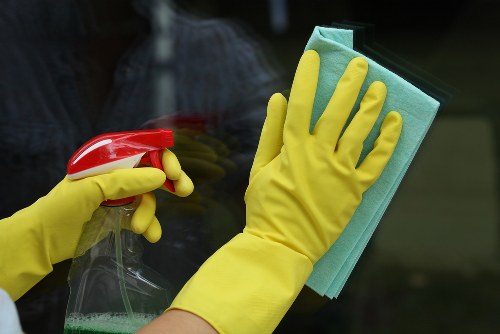
Furniture is often used daily, which means it faces constant exposure to dust, spills, sweat, pet dander, and airborne particles. Over time, these elements settle into the fibers and create a layer of buildup that vacuuming alone may not fully remove. Regular upholstery cleaning helps reduce this accumulation and keeps surfaces looking well maintained. It also helps preserve the color and texture of fabrics, especially in high-use areas like living rooms, family rooms, and offices.
Beyond appearance, upholstery cleaning can also improve indoor air quality. Dust and allergens trapped in sofas, cushions, and chairs can be disturbed every time someone sits down, potentially affecting family members with sensitivities. A consistent cleaning routine can help reduce these irritants and make your home feel cleaner overall. For households with children or pets, this benefit becomes even more important because furniture tends to experience heavier use and more frequent messes.
There is also the financial side to consider. Replacing upholstered furniture can be expensive, especially when the item is well-made or holds sentimental value. Proper upholstery cleaning extends the usable life of furniture by addressing dirt before it becomes embedded and by preventing stain damage from setting permanently. In other words, regular care is an investment in both comfort and cost savings.
Understanding Different Upholstery Fabrics
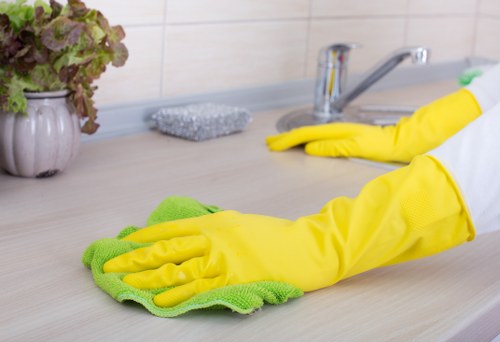
Not every upholstered item should be cleaned in the same way. The success of upholstery cleaning depends heavily on understanding the fabric type, construction, and manufacturer recommendations. Some materials respond well to water-based cleaning, while others require specialized low-moisture or solvent-based treatment. Knowing the difference helps avoid shrinking, color bleeding, texture damage, or distortion.
Common upholstery materials
Popular upholstery fabrics include cotton, polyester, microfiber, linen, velvet, wool blends, leather, faux leather, and mixed synthetic textiles. Each has its own strengths. For example, microfiber is often durable and relatively easy to maintain, while velvet has a rich appearance but may need more delicate handling. Leather offers a classic look and can be cleaned effectively with proper conditioning, but it is not treated like fabric upholstery.
Before starting upholstery cleaning, always check care tags or manufacturer instructions. These labels may indicate whether the fabric can be cleaned with water, solvent, or only professional methods. Ignoring these directions can lead to damage that is expensive to repair. If you are uncertain, it is better to test in a hidden area or consult a specialist before applying any cleaning solution.
Why fabric identification is essential
Accurate fabric identification is one of the most important parts of upholstery cleaning because it determines the safest and most effective method. Natural fibers may react differently from synthetic blends, and dyed materials may be sensitive to heat or moisture. A small mistake can turn a routine cleaning into a permanent stain or a rough patch. Taking a few minutes to identify the material upfront can save time, money, and stress later.
Common Problems Upholstery Cleaning Can Solve

One of the main reasons people seek upholstery cleaning is to address visible stains. Coffee spills, juice marks, makeup residue, food drips, and ink smudges can quickly ruin the look of a sofa or chair. Quick action improves the chance of successful stain removal, but even older marks may respond well to targeted treatment. The key is using the right method for the specific fabric and stain type.
Odor removal is another major benefit. Upholstered furniture can absorb smells from pets, cooking, smoke, and moisture. These odors may linger even after the room has been aired out. Deep upholstery cleaning helps lift odor-causing particles from the fibers rather than just masking the smell. For many households, this freshening effect is one of the most satisfying results.
Fading, dullness, and a flattened look are also common issues. Dirt and oils can make a once-bright sofa appear tired and uneven. Professional upholstery cleaning can restore some of the original brightness and revive texture, making furniture look more inviting. While no cleaning method can reverse age entirely, proper care can dramatically improve presentation.
Other issues addressed by upholstery cleaning
- Dust and allergen buildup
- Pet hair and dander accumulation
- Sticky residue from food and drinks
- General wear from daily use
- Musty smells caused by moisture
Professional Upholstery Cleaning vs. DIY Methods
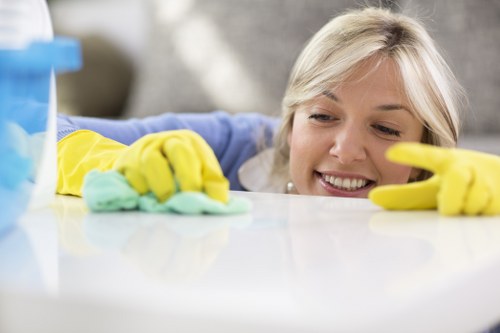
Many homeowners ask whether they should handle upholstery cleaning themselves or hire a professional. The answer depends on the fabric type, the condition of the furniture, and the level of cleaning needed. DIY upholstery cleaning can be useful for light maintenance, while professional services are often better for deep stains, delicate textiles, and large or heavily used items.
DIY methods usually involve vacuuming, spot treatment, and gentle cleaning with fabric-safe solutions. These steps can work well for minor messes and routine upkeep. However, using too much water, the wrong detergent, or an overly aggressive brush can damage fabric fibers. DIY cleaning also may not reach deep into cushioning, where dirt and odors can collect over time.
Professional upholstery cleaning offers more advanced tools and experience. Technicians often use extraction systems, specialized upholstery cleaners, and fabric-specific techniques designed to clean deeply while minimizing risk. This can be especially valuable for antique furniture, high-end materials, and large sectional sofas that see heavy use. A professional approach may also help reduce drying time and improve overall results.
When to choose professional service
You may want to contact a professional if you notice stubborn stains, persistent smells, water-sensitive fabrics, or uneven discoloration. Professional upholstery cleaning is also a smart choice when the furniture is expensive, difficult to move, or used in a commercial setting. In these cases, expert care often delivers better long-term value and peace of mind.
Best Practices for Upholstery Cleaning at Home
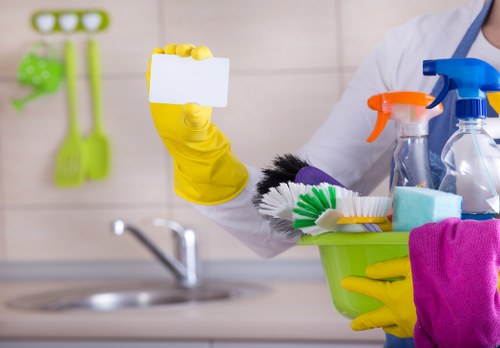
Even if you plan to use professional upholstery cleaning periodically, simple at-home habits can keep furniture in better shape between appointments. One of the easiest and most effective steps is regular vacuuming. Use an upholstery attachment to remove loose dust, crumbs, pet hair, and debris from seams and crevices. This prevents particles from becoming embedded in the fabric.
Prompt stain treatment is equally important. The sooner you address a spill, the easier it usually is to remove. Blot the area gently with a clean cloth instead of rubbing, which can push the stain deeper into the fibers. Always test any cleaner on a hidden area first and follow the fabric care instructions. Using too much product can leave residue behind, so moderation matters.
It is also wise to rotate cushions and avoid sitting in the same spot every day. This helps distribute wear evenly and keeps upholstery looking balanced. For homes with pets, using throws or washable covers can reduce the amount of fur and dirt that reaches the main fabric. Small habits like these make upholstery cleaning easier and more effective over time.
Simple maintenance checklist
- Vacuum upholstered furniture weekly.
- Blot spills immediately with a dry cloth.
- Use fabric-safe products only.
- Keep furniture away from excessive direct sunlight.
- Schedule regular deep upholstery cleaning as needed.
Step-by-Step Upholstery Cleaning Process
While the exact method varies by fabric and stain type, a basic upholstery cleaning process usually follows a consistent sequence. First, inspect the item carefully. Look for labels, worn areas, loose threads, and any signs of color sensitivity. Identifying these concerns before cleaning reduces the risk of damage and helps you select the most suitable method.
Next, vacuum the furniture thoroughly. Use a crevice tool to reach seams, under cushions, and around buttons or tufting. This step removes loose particles that could interfere with cleaning. Once the surface debris is gone, pre-treat stains with a fabric-appropriate product. Allow the solution to sit for the recommended time without oversaturating the area.
After pre-treatment, use the selected cleaning method. This may include light steam, hot water extraction, dry-cleaning solvents, or gentle hand cleaning depending on the upholstery. Once the cleaning is complete, allow enough drying time. Good airflow, open windows, and fans can help speed up the process. Avoid using furniture before it is fully dry, as this can create new marks or odors.
Important drying tip
Proper drying is a crucial part of upholstery cleaning. Damp cushions can develop odors or even mildew if they are put back into use too soon. Always ensure the furniture is dry inside and out before covering it or using it regularly again.
How Often Should Upholstery Be Cleaned?
The right upholstery cleaning schedule depends on usage, household conditions, and the type of furniture. In general, light maintenance such as vacuuming should happen weekly or every couple of weeks. Deep cleaning may be needed every six to twelve months for average households, though busy homes, pet owners, and allergy-sensitive families may benefit from more frequent service.
High-traffic pieces like living room sofas and dining chairs tend to require more attention than occasional-use items. Commercial furniture in offices, waiting rooms, or hospitality settings may also need regular upholstery cleaning to keep a professional appearance. If you notice visible dirt, odors, or reduced texture before the usual schedule, it is a good sign that the furniture needs attention sooner.
Environmental factors can also affect frequency. Homes in dusty climates, locations with high humidity, or spaces where smoking occurs may require more frequent cleaning. The goal is not just appearance but also maintaining a healthy and comfortable indoor environment. A proactive schedule is always better than waiting until the fabric looks severely worn.
Signs your furniture needs cleaning now
- Visible stains or dark patches
- Lingering odors
- Allergy symptoms worsening indoors
- Fabric that looks flat or dull
- Pet hair and debris stuck in seams
Upholstery Cleaning for Homes with Pets and Children
Families with pets and children often need a stronger upholstery cleaning routine because furniture is exposed to more frequent spills, dirt, and general wear. Kids may drop snacks, drinks, or markers, while pets can leave hair, paw prints, and occasional accidents. These everyday challenges make preventive care especially important.
For pet owners, regular vacuuming can dramatically reduce fur buildup. Using washable throws, removable covers, and pet-friendly furniture placement can also help. When accidents happen, quick cleanup is essential because odors and stains can set quickly in upholstery fibers. In some cases, enzymatic cleaners may be useful for organic messes, but they must always be chosen with fabric compatibility in mind.
Homes with children benefit from simple rules such as eating in designated areas and using stain-resistant fabrics when possible. Still, even the best precautions cannot prevent every spill. That is why upholstery cleaning remains an important part of household upkeep. It helps keep common living spaces fresh, safe, and more enjoyable for everyone.
Family-friendly cleaning habits
- Keep microfiber cloths nearby for quick spills
- Vacuum under cushions regularly
- Use fabric protectors only when appropriate
- Address accidents as soon as they happen
- Plan periodic deep upholstery cleaning sessions
How Upholstery Cleaning Supports a Healthier Indoor Environment
A clean sofa or chair can do more than improve aesthetics; it can also support healthier indoor living. Upholstery acts like a filter for dust, pollen, pet dander, and other particles floating around the home. When these contaminants build up, they may be released back into the air with daily movement. Regular upholstery cleaning helps reduce this cycle and contributes to a fresher indoor atmosphere.
This is particularly valuable for people who deal with allergies, asthma, or general sensitivity to dust. While upholstery cleaning is not a medical solution, it can be part of a broader effort to maintain a cleaner home environment. Combined with regular vacuuming, airing out rooms, and washing other soft furnishings, upholstery care can make a noticeable difference.
Clean furniture also feels more comfortable. Upholstery that is free from dirt, odor, and residue tends to be more inviting to sit on, rest against, and use throughout the day. That comfort factor matters in living spaces, home offices, guest rooms, and commercial settings alike. A well-maintained chair or sofa helps create a space that feels cared for and welcoming.
Health-related benefits of upholstery cleaning
- Reduced dust and allergen buildup
- Improved indoor freshness
- Less trapped pet dander
- Cleaner feel in frequently used rooms
- Better overall comfort and hygiene
Choosing the Right Upholstery Cleaning Approach
Selecting the right upholstery cleaning method depends on more than stain type. You should also consider the age of the furniture, how often it is used, and whether the material is delicate or durable. Some fabrics can handle deeper moisture-based cleaning, while others are better suited to dry or low-moisture methods. Matching the method to the material is the best way to protect your investment.
If you are comparing service providers, look for experience with different upholstery materials, clear explanations of the process, and a careful approach to pre-testing. Quality service should focus on cleaning effectively without over-wetting the fabric or leaving behind residue. It is also helpful to choose a company that understands stain removal, odor treatment, and fabric protection as part of the broader service.
For homeowners, the right approach may be a mix of routine DIY upkeep and periodic professional upholstery cleaning. That combination often delivers the best results: everyday dust control at home and deeper restoration from experienced technicians when needed. This balanced strategy keeps your furniture looking and feeling better for longer.
What to look for in a service
Experience, fabric knowledge, and careful treatment are important markers of quality. A reliable provider should explain how they handle different fabrics, how they address stains, and what drying time to expect. That level of transparency helps you feel confident about the process.
Making Upholstery Cleaning Part of Regular Home Care
When upholstery cleaning becomes part of your routine, maintaining furniture gets much easier. Instead of waiting for visible damage, you are working proactively to preserve color, texture, and comfort. This approach is especially useful for households that want a neat, polished, and healthy living space without constantly replacing furniture.
A practical routine may include weekly vacuuming, immediate spot treatment, seasonal inspections, and scheduled deep cleaning. If your furniture is in a busy room or sees constant use, you may want to increase how often you clean it. The most important thing is consistency. Small, repeated efforts often produce better long-term results than occasional intensive cleaning.
If your home could benefit from fresher, cleaner furniture, now is the time to take action. Whether you start with simple maintenance or decide to bring in expert help, upholstery cleaning can make a real difference in appearance, comfort, and indoor freshness. Book your service now or Contact us today to take the next step toward cleaner, longer-lasting furniture.
Final Thoughts on Upholstery Cleaning
Upholstery cleaning is an essential part of furniture care that supports both aesthetics and hygiene. It helps remove dirt, stains, and odors while protecting fabrics from premature wear. From everyday vacuuming to specialized deep cleaning, the right practices can extend the life of your furniture and improve the comfort of your space. When handled consistently, upholstery cleaning becomes less of a chore and more of a smart home maintenance habit.
Whether you are caring for a family sofa, a favorite reading chair, or office seating, the goal remains the same: keep the upholstery fresh, attractive, and usable for as long as possible. By choosing the right methods and staying proactive, you can enjoy furniture that looks better and lasts longer. If your upholstery needs attention, book your service now and give your furniture the care it deserves.